
Fascial Counterstrain (FCS)
Neuro-fascial release that allows the body to return to normal function
W h o
W h a t
W h y
Because lasting benefit is a daily outcome.
Many inflammatory problems are difficult to manage in day-to-day medical offices. Medications can target specific aspects of them. Surgeries can relieve mechanical problems. But chronic dysfunction can persist.
Well-applied FCS therapy allows body systems to release their inflammation and return to a healthy, functioning state.
Adults, children and infants can all benefit from this therapy.
Most referrals to Well Wins are from physicians and dentists who have seen the improvements in their patients, or from patients who tell family and friends of their own success stories.
FCS is a real-time, non-invasive diagnostic and treatment therapy that allows me to find and treat the specific anatomy that is driving an ongoing problem, even when imaging and blood work cannot find it.
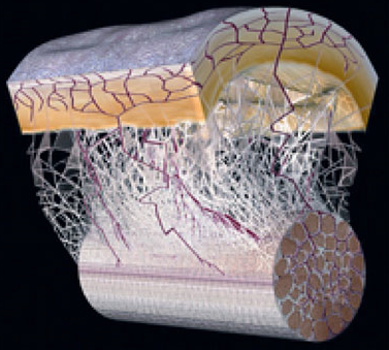
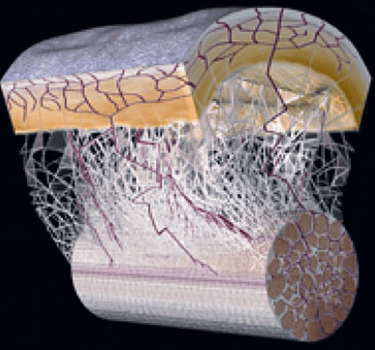
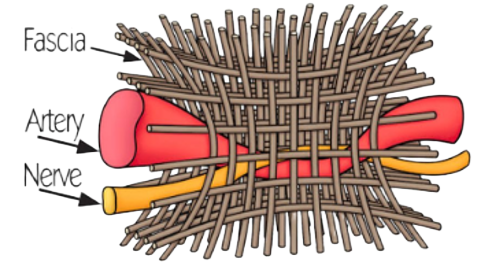
FCS uses the very complex neuro-fascial network that connects the body head to toe to find micro-restrictions, identify the precise nerve, organ, vessel, muscle, bone, cartilage or ligament involved and release its restriction with an unbelievably gentle manual glide.
The irritated structure returns to its normal unrestricted state, and it no longer sends pain signals to the brain.
It is the most versatile tool I have encountered in my 30 years of medical practice.
Patients report significant improvements in these and many more issues:
Pediatric issues
Chronic disease
Injuries and chronic pain
Infant torticollis
Osgood Schlatter's
Sever's disease
Teenage bedwetting
Chronic constipation
Chest wall deformity
Scoliosis
Leg length discrepancy
Postural Orthostatic Tachycardia syndrome
Chronic regional pain syndrome
Migraine headaches
Tension headaches
Jaw pain
Snoring
Crohn's disease
Juvenile Arthritis
Post-concussion syndrome
Brain fog
Neck pain
Shoulder pain
Nerve pain like sciatica
Low back pain
Pelvic pain
Plantar fasciitis
Prevention assessment before injuries in athletes
For the scientific details,

1. The body makes inflammation on purpose to contain a new problem to a local area.
3. In this inflamed state, the body continues to send nerve impulses that generate more tightness and pain that expands into other areas.
The interstitial fluid is where it gets deposited.
2. The fascia that surrounds this fluid and connects the body head to toe, contracts when exposed to inflammation.
Here is a Simplified Overview
4. Using fascial counterstrain is like finding and emptying the pebbles in a shoe, because once released, the inflammation should not return.

Email Dr. DelGiorno at
connect@wellwins.com
Wellspring Release, LLC
© 2024. All rights reserved.
10810 Darnestown Road, Suite 102
North Potomac, MD 20878